Caffeine is one of the most widely used and most researched performance-enhancing substances for athletes. Many athletes already use it consciously, for example with a cup of coffee before a training session or race. Others use it without really thinking about it. Still, when used properly, this substance can make a clear difference to your performance.
It is no coincidence that caffeine was on the doping list for many years. Until 2004, it was listed by the World Anti-Doping Agency (WADA). At the time, caffeine was considered a performance-enhancing substance when athletes used high doses. It is now permitted, but it is still monitored. That says a lot about its effectiveness.
But how exactly does caffeine work? How much do you need? And when should you choose a gel, shot, capsule or pre-workout? In this blog, we take you through it step by step.
What does caffeine do during exercise?
During exercise, fatigue plays a major role. Not only in your muscles, but also in your brain. The longer you exercise, the more adenosine builds up in your body. This substance sends fatigue signals to your brain. Caffeine partially blocks these signals, making exercise feel less demanding.
Your body is still working hard, but it feels like you have more left in the tank. As a result, you can often keep going a little longer or perform slightly harder. It also improves focus and alertness. Especially during races or intensive training sessions, that can be a major advantage.
Caffeine is used especially often in endurance sports. During longer efforts, it can help delay fatigue and maintain concentration. Combined with carbohydrates, it gives you the extra boost you need to reach the finish line.
How much caffeine do you need?
The optimal amount differs from person to person. In most studies, an effective dose is between 3 and 6 milligrams per kilogram of body weight. For a 70-kilogram athlete, that equals roughly 210 to 420 milligrams of caffeine.
That may sound like a lot, but it does not mean you always need that much. Lower doses can also be effective. Especially when used during exercise, a smaller amount can already have a noticeable effect.
Athletes also respond differently to caffeine. Some athletes can use higher doses without any problems, while others quickly experience an increased heart rate, restlessness or stomach discomfort. That is why it is always wise to test it during training first and not use it for the first time during an important race.
Caffeine from coffee, cola and tea
Many athletes get caffeine through coffee or other drinks. That can work perfectly well, but the amount is often less predictable and usually lower than in sports nutrition.
An average cup of coffee contains about 80 to 100 mg of caffeine, depending on strength and brewing method. Espresso usually contains between 60 and 80 mg. Cola contains about 30 to 40 mg per can and black tea contains an average of 40 to 50 mg. Green tea often contains even less.
This means that you quickly need several cups of coffee to reach an effective dose. Coffee shortly before exercise is also not always practical, especially during races. Sports nutrition with caffeine therefore offers a more accurate and often more practical solution.
Different types of caffeine
Not all caffeine is the same. Different forms are often used in sports nutrition. The two most common are caffeine anhydrous and caffeine from guarana.
Caffeine anhydrous is pure caffeine in powder form. This form is absorbed quickly and often provides a clear and fast boost. This makes it a popular choice for gels, shots and capsules.
Caffeine from guarana comes from a natural plant source. This form is absorbed slightly more gradually and can provide a longer-lasting effect. Some products combine both forms to deliver both a fast and sustained effect.
Which form works best differs per athlete and per situation. For a quick boost, caffeine anhydrous is often ideal, while guarana can help with a more gradual release of energy.
When should you use caffeine?
You can use it at different moments. Some athletes take caffeine before a training session or race to start sharp. Others use it during exercise when fatigue starts to set in. The final part of a race is also a popular moment, for example before a finishing sprint.
The advantage of different products is that you can use caffeine flexibly. Sometimes you want a quick boost, sometimes a more gradual build-up. At Natusport, we have developed different products for different sporting moments.
Natusport products
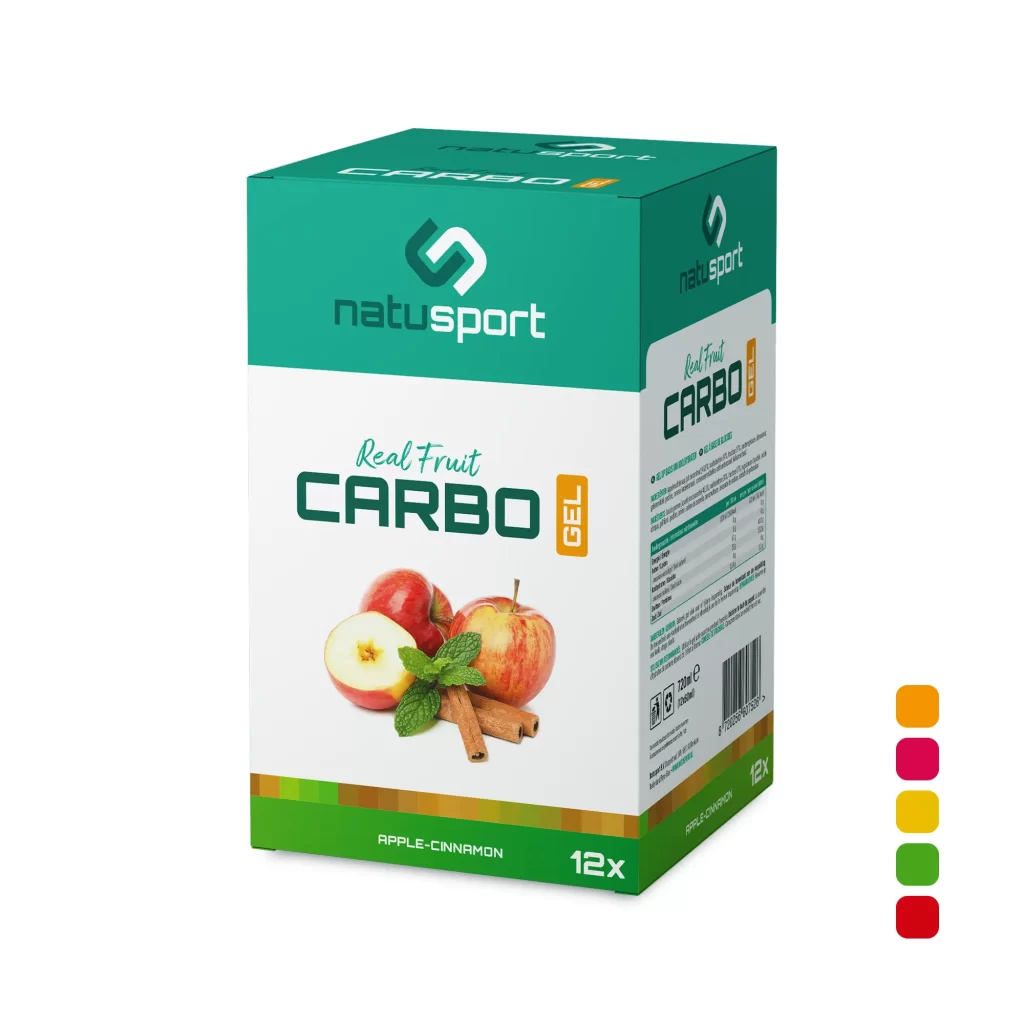
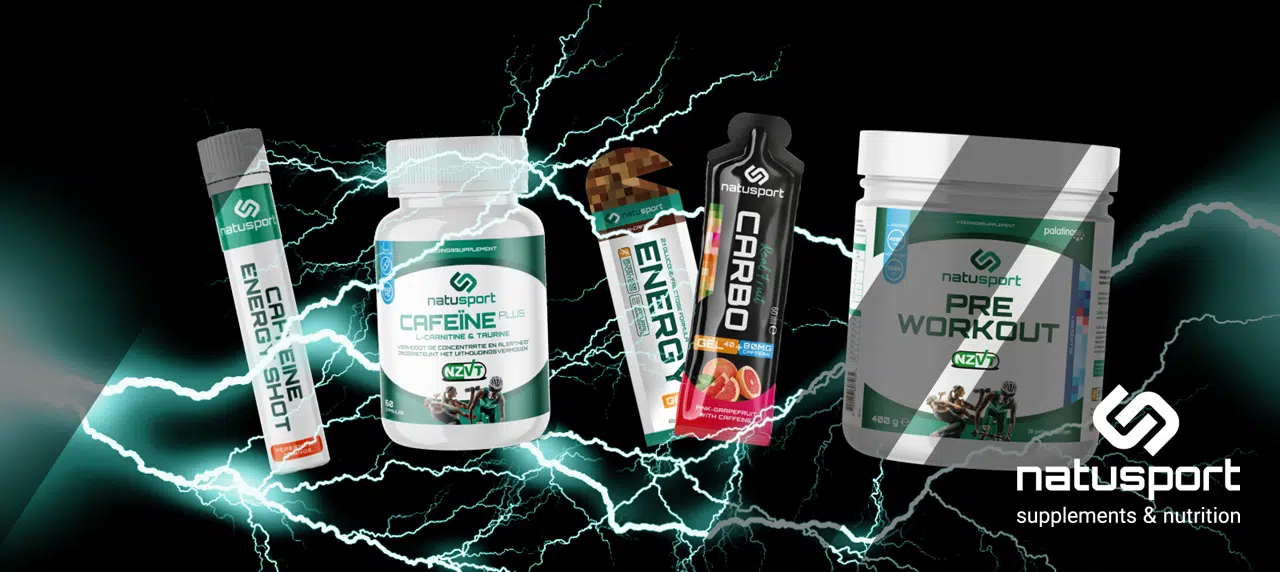
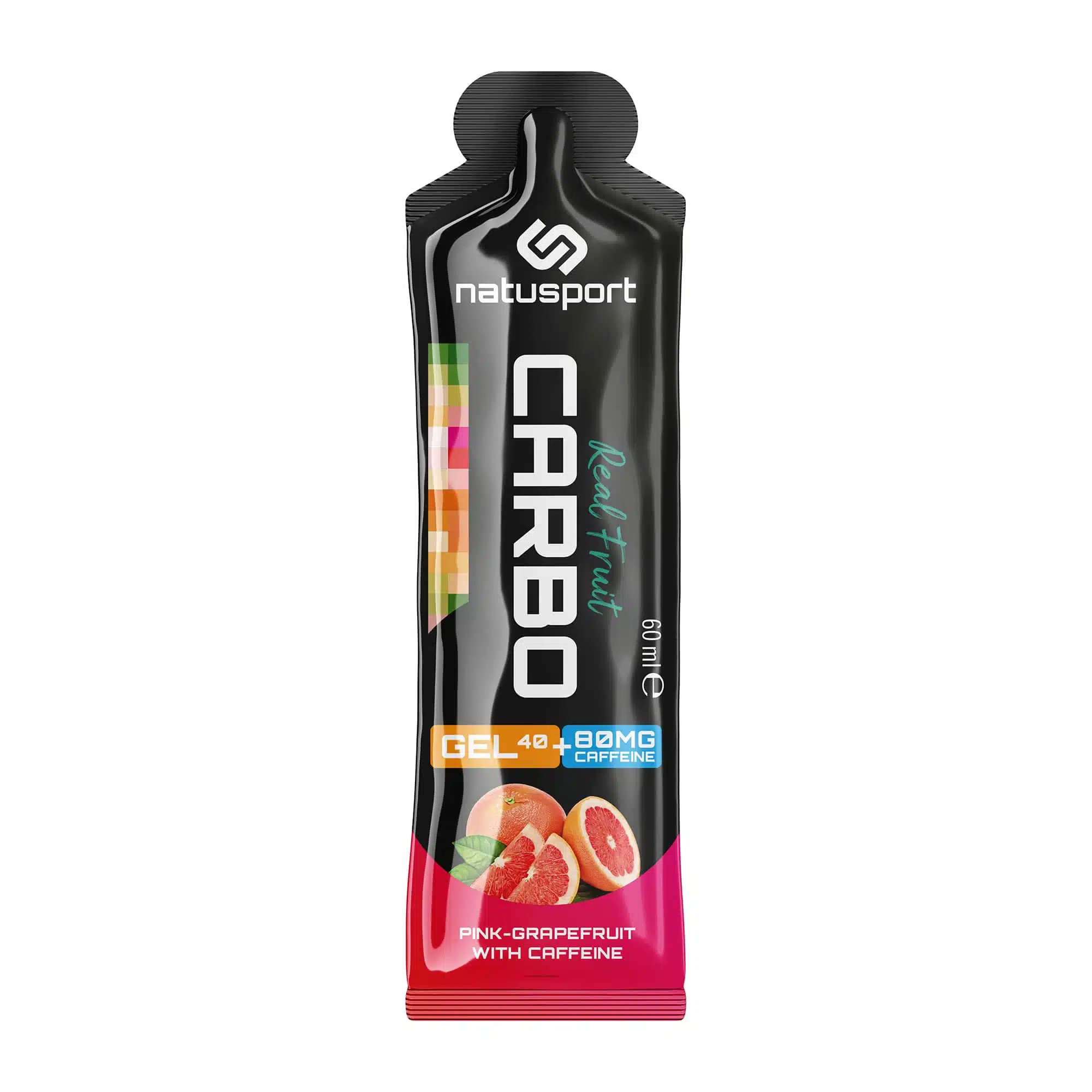
The Real Fruit Carbo Gel (Pink-Grapefruit) contains 80 mg of caffeine and 40 grams of carbohydrates. This combination makes the gel ideal for longer efforts. Many athletes use this gel during the final hour of a long training session or race, when fatigue starts to play a bigger role.
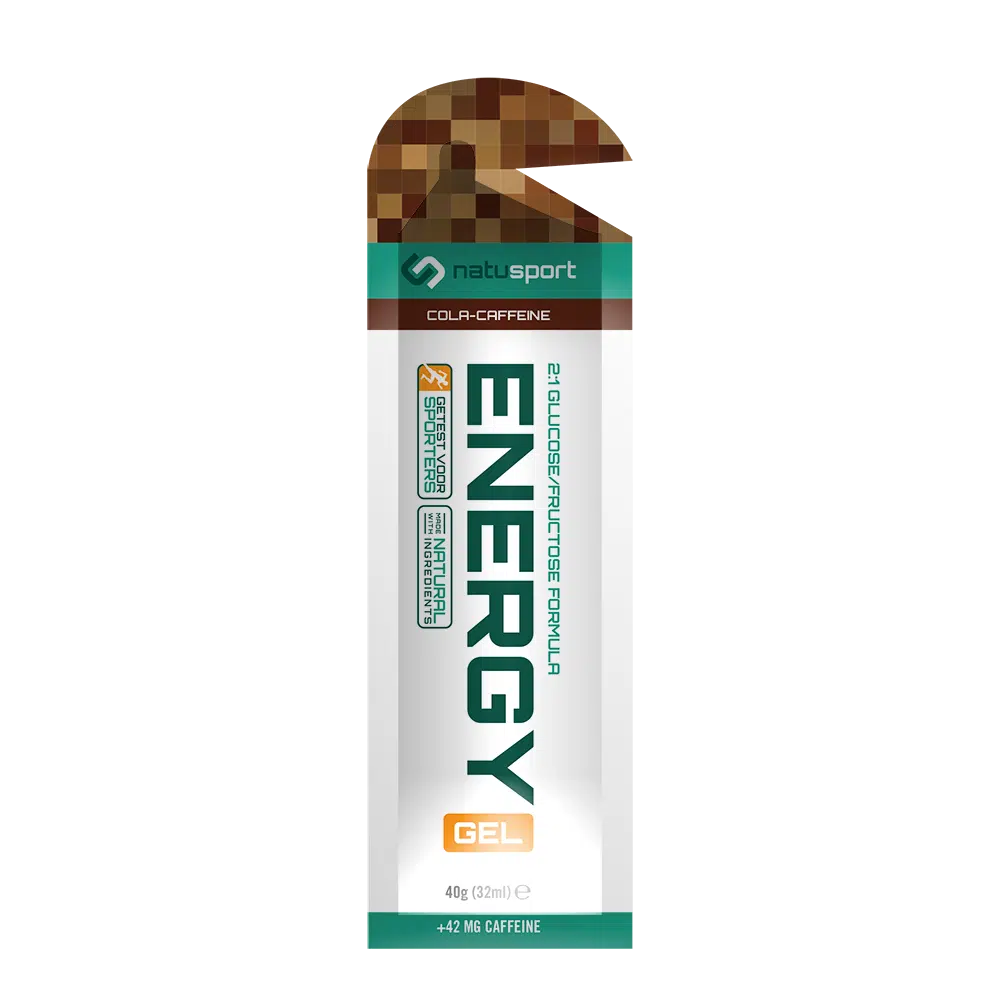
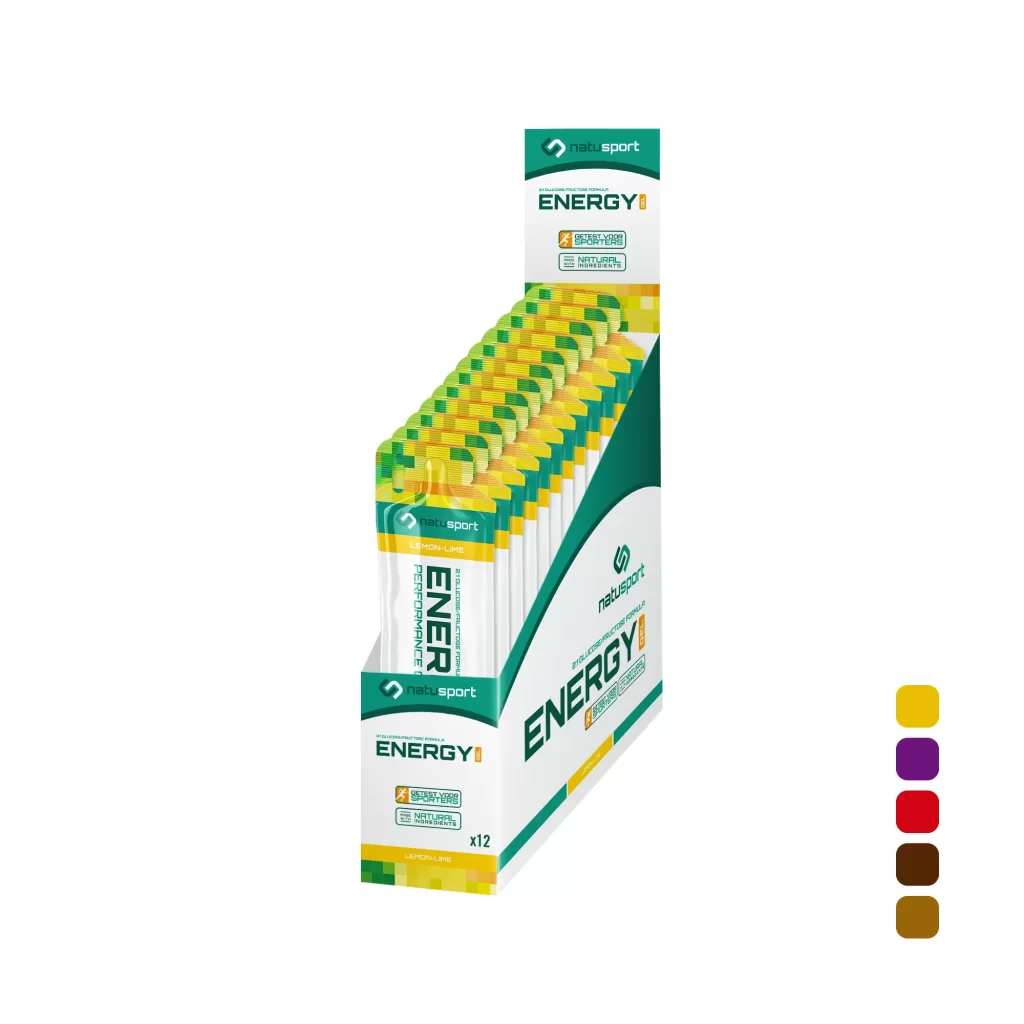
The Energy Performance Gel (Cola) contains 42 mg of caffeine and 20 grams of carbohydrates. Instead of one large dose, you can choose several smaller moments. This is especially useful for athletes who are sensitive to caffeine or who want to spread out their intake.
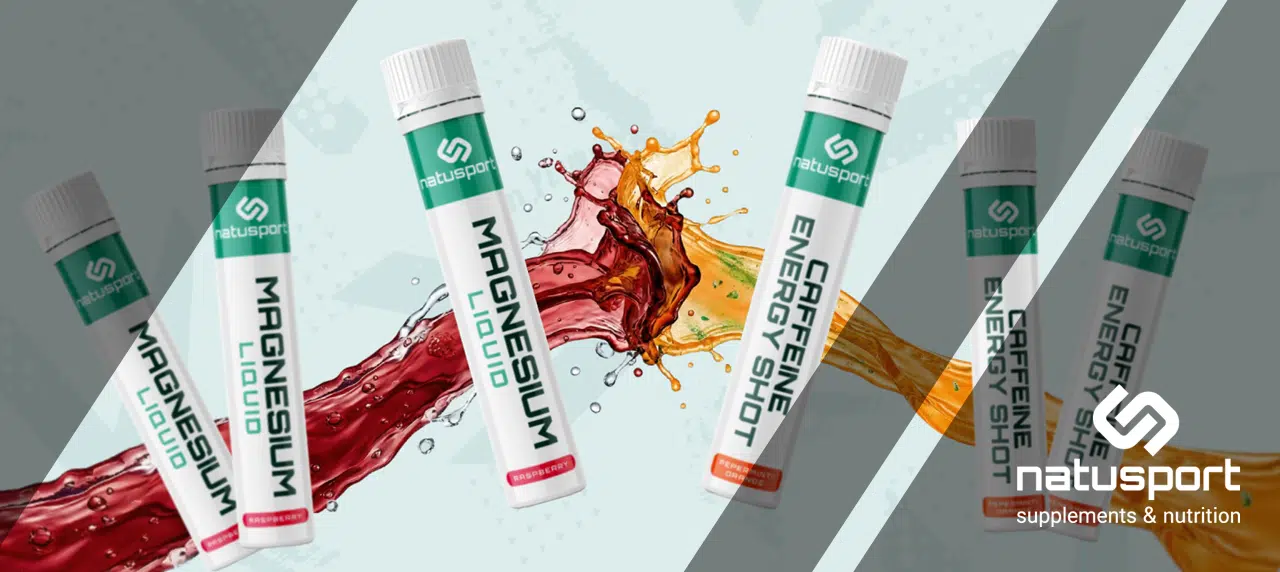
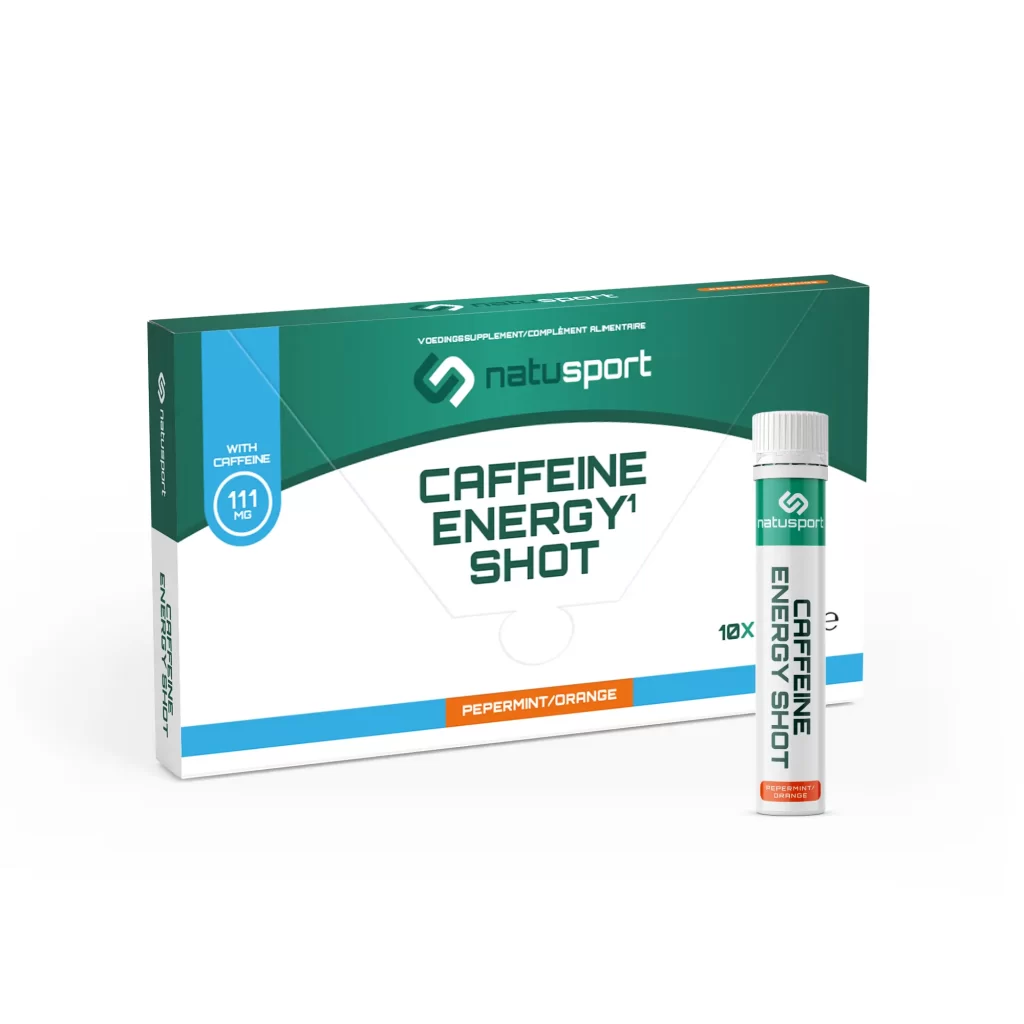
The Caffeine Energy Shot contains 111 mg of caffeine in a compact 25 ml package. This shot is ideal when you want a quick boost, for example just before the start or during a tough moment in a race. Thanks to its small volume, the shot is easy to carry and especially quick to take.
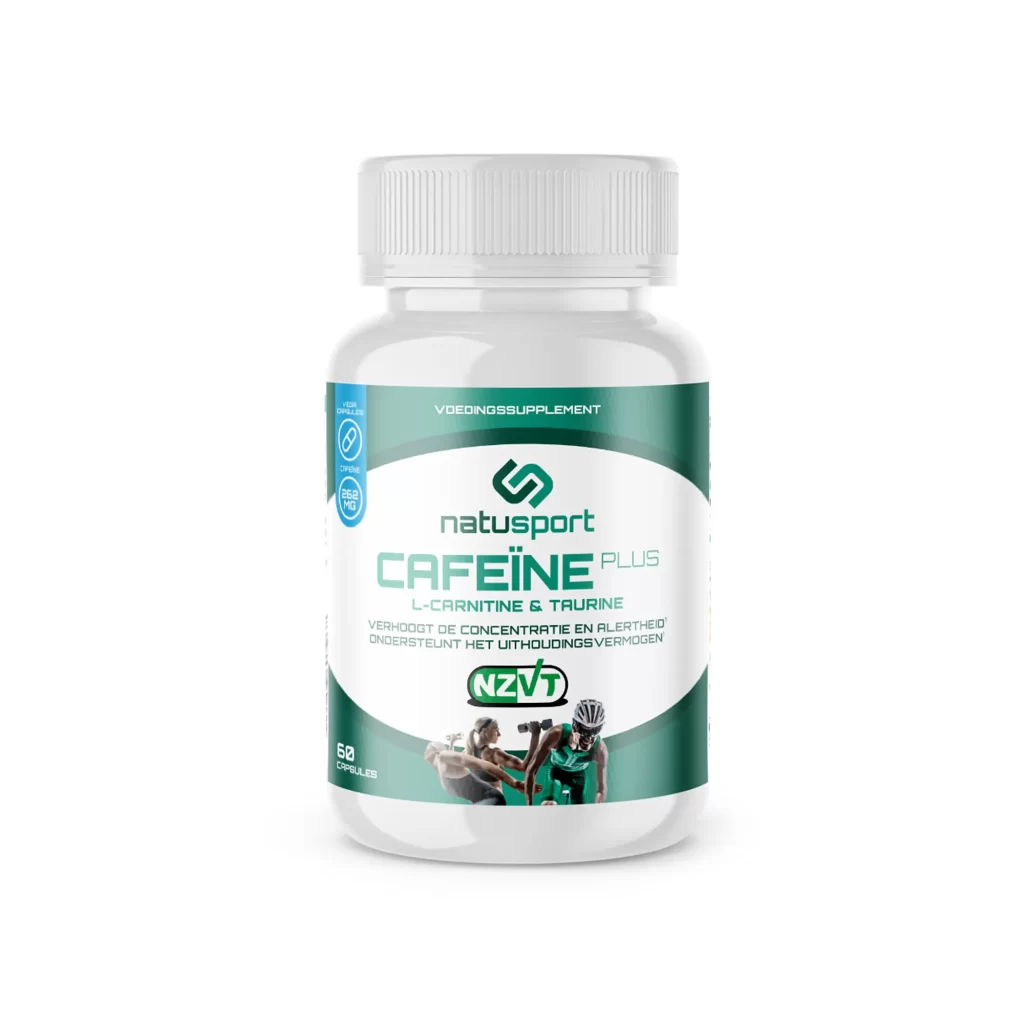
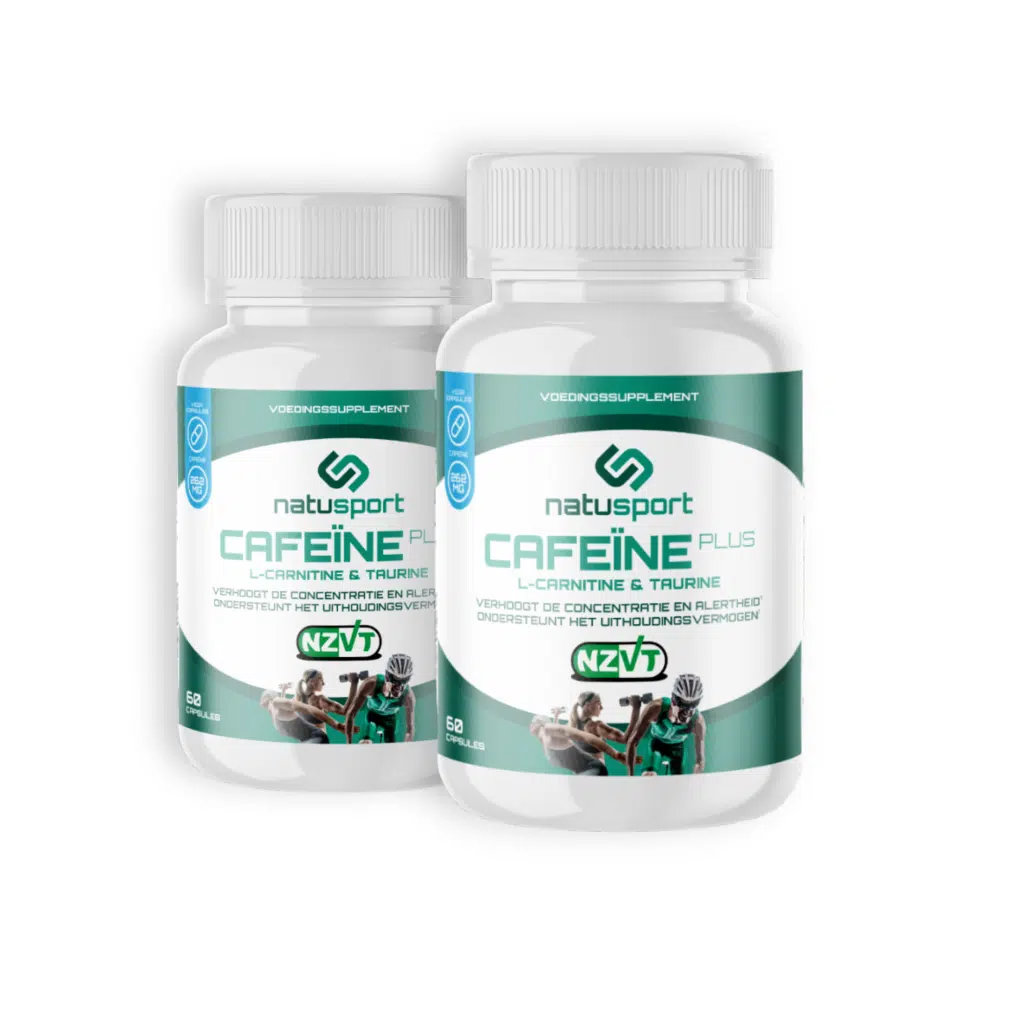
The Cafeïne Plus capsules contain 262 mg of caffeine per capsule. These capsules are especially suitable for athletes who want to plan their caffeine intake in advance. Take them 30 to 45 minutes before a race. Capsules are easy to combine with gels during exercise.
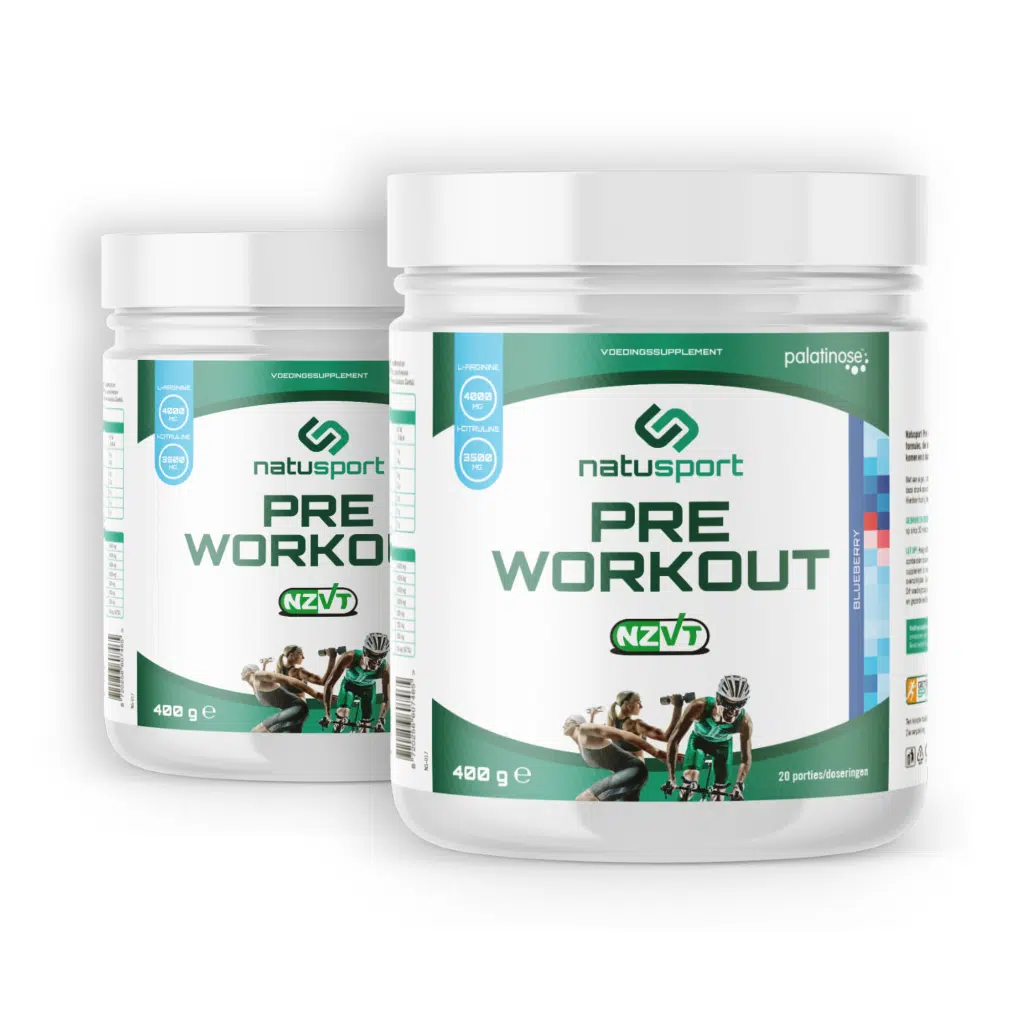
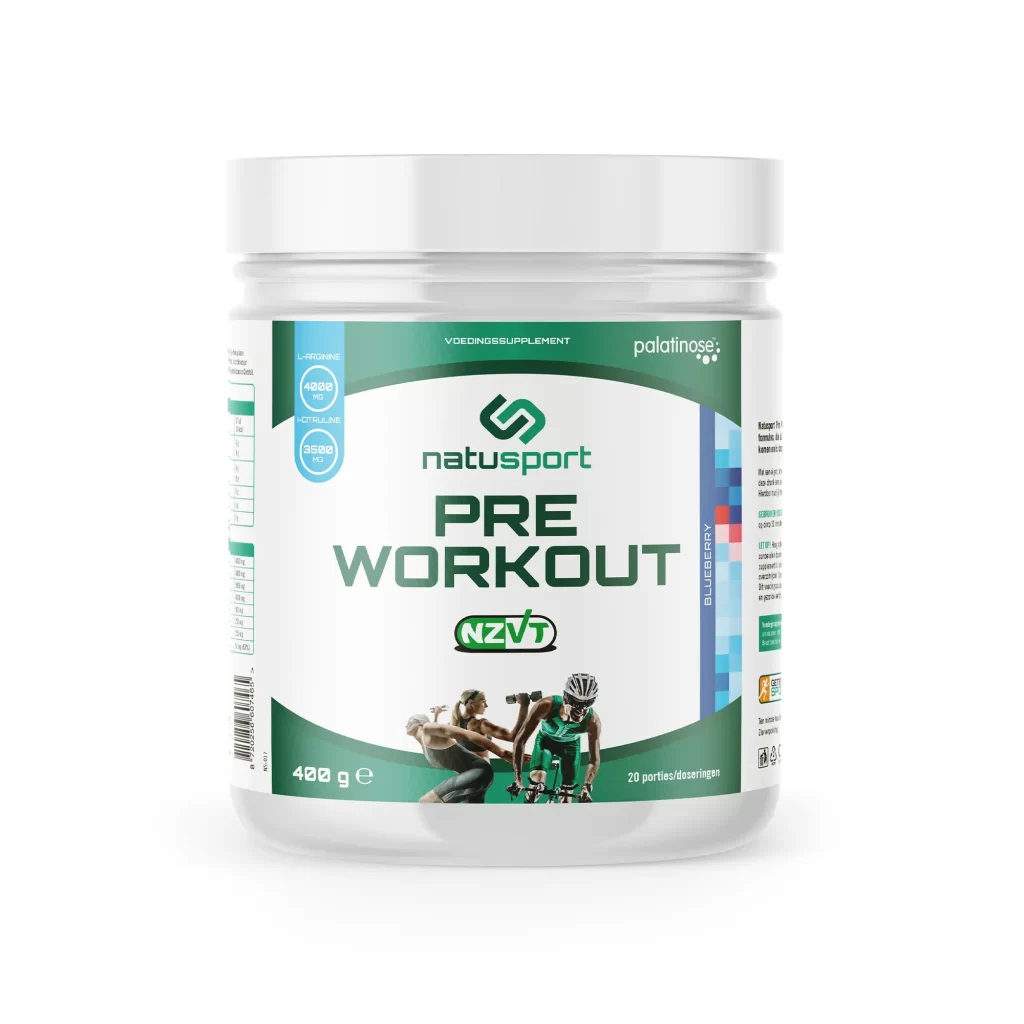
The Pre-Workout Blueberry contains 250 mg of caffeine per serving and was developed as a complete pre-workout. In addition to caffeine, this formula contains vitamin C, Palatinose™ (isomaltulose) and amino acids such as beta-alanine, L-arginine and L-citrulline. This pre-workout is ideally taken about 30 minutes before training or racing.
| Product | Caffeine | Form | When to use |
|---|---|---|---|
| Real Fruit Carbo Gel (Pink-Grapefruit) | 80 mg | Gel with 40 g carbohydrates | Final phase of a race |
| Energy Performance Gel (Cola) | 42 mg | Gel with 20 g carbohydrates | Final phase of a race |
| Caffeine Energy Shot | 111 mg | Shot (25 ml) | Quick boost during exercise |
| Caffeine Plus | 262 mg | Capsule | 30 to 45 min before training or racing |
| Pre-Workout Blueberry | 250 mg | Pre-workout | 30 min before training or racing |
Use it smartly
Caffeine can be a powerful tool for athletes. But it works best when used strategically. By using caffeine deliberately at moments when it is truly needed, the effect often remains stronger.
So test what works for you, combine it with a good nutrition plan and use caffeine as part of your strategy. That way, you get the most out of your training and races.
Recommended products
-

Caffeine Energy Shot – 10x 25ml
€18,95 -
Energy Performance Gel
Price range: €21,45 through €42,90 -
Pre Workout Blueberry – Short Shelf Life – 2x 400 grams
Original price was: €69,90.€34,95Current price is: €34,95. -
Energy Carbo Fruit Gel – 12 pieces
€25,95 -
Caffeine Plus – 1 + 1 free – 60 vegan caps
€15,95